
Pest control is essential for maintaining a safe and comfortable home environment. Unwanted pests like ants, cockroaches, rodents, and termites can cause serious health risks, damage property, and create stress for homeowners. Effective pest control strategies not only prevent infestations but also protect your family and belongings from long-term harm. Understanding the best practices for pest prevention and removal can save time, money, and frustration. With the right techniques, homeowners can proactively manage their living spaces and avoid costly repairs caused by hidden infestations. In this article, we will explore practical and proven strategies that help keep your home bug-free, ensuring a healthier and more comfortable environment for everyone living under your roof. These strategies are suitable for a range of homes and can be adapted based on the size of your property, climate, and pest challenges.
Inspect Your Home Regularly
Regular inspections are a crucial first step in keeping your home free of pests. Checking both the interior and exterior allows you to detect early signs of infestations before they escalate. Pay close attention to kitchens, basements, attics, garages, and crawl spaces, as pests often hide in these areas. Look for droppings, chewed wires, damaged wood, unusual odors, or stains, which may indicate rodent or insect activity. Consistent inspections help you identify problems early, making treatment more effective and less costly. Homeowners should also inspect areas around windows, doors, and vents for signs of entry. Additionally, professional inspections can complement your efforts, as pest control experts have the tools and knowledge to detect hidden infestations that might be missed during a routine home check. Regular monitoring not only addresses current issues but also prevents future pest problems, keeping your home consistently safe and comfortable.

Seal Entry Points
Preventing pests from entering your home is one of the most effective strategies for maintaining a bug-free environment. Small cracks in walls, gaps around doors and windows, and openings near utility lines provide easy access for insects and rodents. Seal these potential entry points using caulking, weather stripping, or fine mesh screens. Inspect areas where pipes and electrical wiring enter the home, as pests often use these spaces to gain entry. Keeping doors and windows properly maintained and ensuring screens are intact also reduces access points. In addition to physical barriers, check the foundation for cracks or gaps and repair them promptly. By blocking entry points, you reduce the chances of infestations and limit the need for chemical treatments. Taking preventive steps to secure your home creates a long-term solution for keeping pests outside where they belong.
Maintain Cleanliness
Maintaining a clean home is fundamental for effective pest control. Food crumbs, dirty dishes, and overflowing trash bins attract ants, cockroaches, and rodents. Regular cleaning routines, such as wiping counters, vacuuming floors, and taking out the trash daily, can significantly reduce the risk of infestations. Store pet food in sealed containers and avoid leaving leftovers exposed overnight. In addition, declutter storage areas, closets, and garages to remove potential hiding spots. Pests thrive in environments where food, moisture, and shelter are readily available, so maintaining cleanliness directly impacts their ability to survive inside your home. A clean home not only deters pests but also promotes a healthier living space for your family. When combined with other strategies, regular cleaning helps maintain a safe, bug-free environment.
Use Natural Remedies
Natural remedies can complement professional strategies by offering chemical-free options to control minor infestations. Substances like diatomaceous earth, essential oils, and vinegar sprays are effective for repelling or eliminating certain insects. For example, peppermint oil deters ants and spiders, while diatomaceous earth targets crawling insects without harming humans or pets. These solutions are suitable for preventive measures or smaller infestations, such as treating corners, window sills, and basements. Natural remedies are safe for households with children and pets, providing peace of mind while maintaining pest control standards. While they may not replace professional services for severe infestations, they offer a sustainable and environmentally friendly approach. Using these remedies strategically can reduce pest activity, minimize chemical use, and help maintain a home that is consistently bug-free.
Proper Waste Management
Effective waste management is a critical component of keeping pests away. Trash left unattended becomes a food source for rodents and insects, encouraging infestations. Use tightly sealed bins for both indoor and outdoor garbage, and ensure timely removal. Compost bins should be managed carefully, with organic material covered to prevent attracting pests. Recycling containers must be rinsed and sealed properly to avoid contamination that could attract insects. Additionally, outdoor areas should be kept clean from fallen fruit, debris, and leaves, as these create ideal conditions for pests. Implementing proper waste management not only eliminates food sources but also supports a cleaner, healthier environment around your home. Integrating this strategy with regular cleaning and preventive measures ensures a comprehensive approach to a pest-free household.
Landscape Management
Your yard and garden significantly influence the presence of pests in and around your home. Overgrown vegetation, dense shrubs, and standing water provide shelter and breeding grounds for insects and rodents. Regular lawn maintenance, trimming bushes, and removing debris reduces pest-friendly habitats. Ensuring proper drainage prevents water accumulation that attracts mosquitoes and other pests. Planting pest-repellent plants, such as lavender, marigolds, or basil, can naturally deter insects from entering your home. Mulching should be done carefully, as excessive mulch can create moist areas that harbor pests. A well-maintained landscape not only enhances curb appeal but also plays a preventive role in keeping your home bug-free. Combining landscape management with indoor cleaning and sealing entry points strengthens overall pest defense.
Professional Services
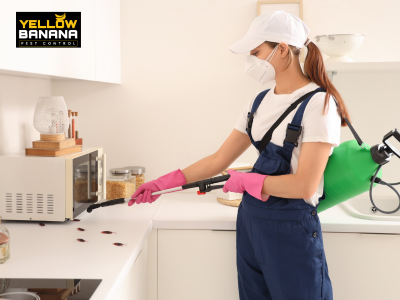
While DIY methods are helpful, professional services offer comprehensive solutions for persistent infestations. Experts can identify the type of pest, assess the severity of the problem, and implement targeted treatments that are safe and effective. Many companies offer regular service plans to prevent infestations, providing ongoing monitoring and treatment when needed. Professionals can also advise on best practices for home maintenance, helping homeowners adopt preventive habits. Partnering with a reputable company ensures that even hidden or hard-to-reach infestations are addressed effectively. Their knowledge and experience make professional services an essential part of any long-term strategy for a safe and bug-free home. Choosing a trusted provider ensures consistent results and peace of mind for homeowners.
Seasonal Maintenance
Pests behave differently depending on the season, making seasonal maintenance an important strategy. For example, termites are more active during warmer months, while rodents may seek shelter indoors during colder months. Seasonal checks should include inspecting foundations, sealing gaps, cleaning gutters, and removing standing water. Adjusting preventive measures based on seasonal patterns ensures that your home remains protected throughout the year. Homeowners should also monitor areas prone to moisture, such as bathrooms and basements, during rainy seasons, as damp environments attract pests. Seasonal maintenance combined with regular inspections, cleaning, and landscape management provides a proactive approach, reducing the risk of infestations year-round.
Educate Household Members
Educating everyone in the household about proper practices helps maintain a pest-free environment. Family members should understand the importance of cleaning up food, sealing containers, and reporting signs of pests immediately. Encourage consistent habits, such as keeping personal spaces tidy and disposing of garbage properly. Children should be taught to avoid leaving snacks or drinks out overnight, and everyone should be aware of the potential hiding spots for pests. By promoting awareness and cooperation, you strengthen the effectiveness of other pest control strategies. A well-informed household creates a collective effort that reduces the likelihood of infestations and maintains a safe and comfortable living environment.
Conclusion
Maintaining a home free of pests requires a combination of preventive measures, regular maintenance, and professional intervention. Strategies such as sealing entry points, maintaining cleanliness, managing waste, and using natural remedies contribute to a safer, more comfortable home environment. Seasonal checks, landscape management, and household education enhance these measures and ensure consistent protection. Yellow Banana Pest Control in Fort Lauderdale provides expert services to keep your home bug-free through effective treatment and prevention. Their experienced team helps identify and eliminate pests while offering guidance on long-term home protection. For reliable solutions and peace of mind, contact Yellow Banana Pest Control at (954) 884-5001. Protect your home today and ensure a safe, healthy, and pest-free environment for your family.
https://www.podbean.com/eas/pb-gehei-1a72827
https://www.podomatic.com/podcasts/reginaperez197142podcast/episodes/2026-03-16T22_24_42-07_00
https://soundcloud.com/yellow-banana-pestcontrol/top-pest-control-strategies-to